Where to watch









In a closed Hasidic community, a young woman struggles between tradition and personal freedom while facing external cultural misunderstandings.
Hint: In a race across the US heartland, a red car discovers the true meaning of friendship.

Think you can guess today's movie? 🤔

One hint, 6 chances, and a new movie to guess every day
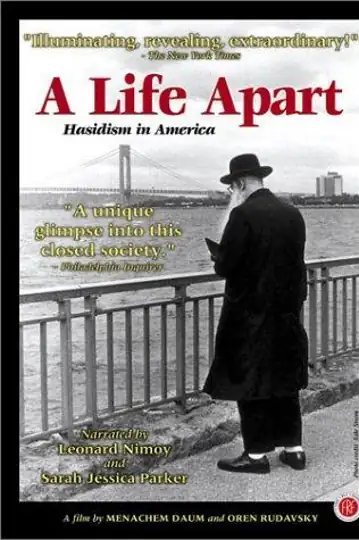
Hasidic Jews seem alien, and even hostile, to those outside their culture,which frequently includes other Jews. They dress differently, don't mingle between the sexes, speak Yiddish, and wear side curls, all in an attempt to rigorously follow the commandments of the Torah. They tend to keep to themselves, shunning television and the media so outside influences cannot corrupt their values and views. Yet filmmakers Oren Rudavsky and Menachem Daum were able to enter their world, and the result is the fascinating documentary A Life Apart: Hasidism in America. Using interviews with academics and members of the community and some historical footage, the filmmakers trace the growth of Hasidic groups in the United States. Groups formed around particular Rebbes (learned leaders) and they took their names from their Eastern European home cities (the Satmar Hasids, the Breslov Hasids, and so on). Leonard Nimoy and Sarah Jessica Parker narrate, explaining how this movement came to America and how it was able to flourish. Dissenting voices also appear, in the form of neighborhood people who are distressed at the Hasids' refusal to speak to members not in their community and of a young woman, Pearl Gluck, who left the community in order to pursue her writing and to follow a life of her own choosing. Many Hasids refuse to speak on camera, and we see many shielding themselves with hands or coats so as not to appear on film. But those who do appear are poignant in their discussions of why the Hasidic life is important to them. One man speaks to the directors, even as he acknowledges that he will never see the movie, but he will do it "in order to help a Jew make a living." One couple, Holocaust survivors, are not Hasidic, but their children are, and the reasonings of both the parents and the children are interesting. This film, shown on PBS, is a consequential look into a lifestyle many of us don't understand, and it may help in increasing an understanding.